
Acts 15:1-6; Psalm 122:1-2, 3-4ab, 4cd-5; John 15:1-8
As Acts of the Apostles 15 begins, the Church finds herself in serious disagreement. This is no small matter; it’s about salvation itself. Should Gentiles adopt Jewish customs and practices, or not?
So what do they do?
First, notice what they don’t do: They don’t split into new churches. They don’t ignore the problem and hope it will go away.
Instead, they do what the Psalm describes: they “go to the house of the Lord.” That is, they come together. They go to Jerusalem. They talk. They argue. They discern.
And that’s exactly what Jesus told them to do, though perhaps not in the way we expect.
Before he ascended to the Father, Jesus knew his Church would encounter things he had not addressed explicitly. So, how did he deal with that – by leaving them a rule book, or saying, “When problems arise, just remember what I said and you’ll be fine”?
No. As John reminds us, Jesus said, “Remain in me, as I remain in you… If you remain in me and my words remain in you, ask for whatever you want and it will be done for you.”
“Remain in me…” doesn’t mean just remembering the past. It’s staying connected to the living God — the Vine, without whom we can do nothing.
And he adds, ‘if my words remain in you.’ Not just remembering them, but letting them take root in us… shape us… change what we desire. So that, when we ask, we are no longer asking only for what we want… but for what God knows we need.
Ultimately, we find, as in Acts today, we may not always have the answer right away… but by staying united, staying attentive, and open to the Spirit, the right answers will come.
Before the Church could say, “It has seemed good to the Holy Spirit and to us”… they first had to remain.
Remain together. Remain in Christ. Remain open.
The Church bears fruit not because she always has quick answers… but because she remains in Christ long enough to receive the right ones.
This is true in our own lives too, of course. When we or someone we know is suffering, in conflict, or going through a difficult time, it’s tempting to want quick answers. This is only natural. Still, as Christ reminded us in the gospel, without him, we can do nothing. In him, we can do all things – even endure what we may have thought was unendurable. And, we may well find that the endurance of that suffering leads to great fruit indeed – a deeper, more lasting union with Christ than we ever thought possible.
—


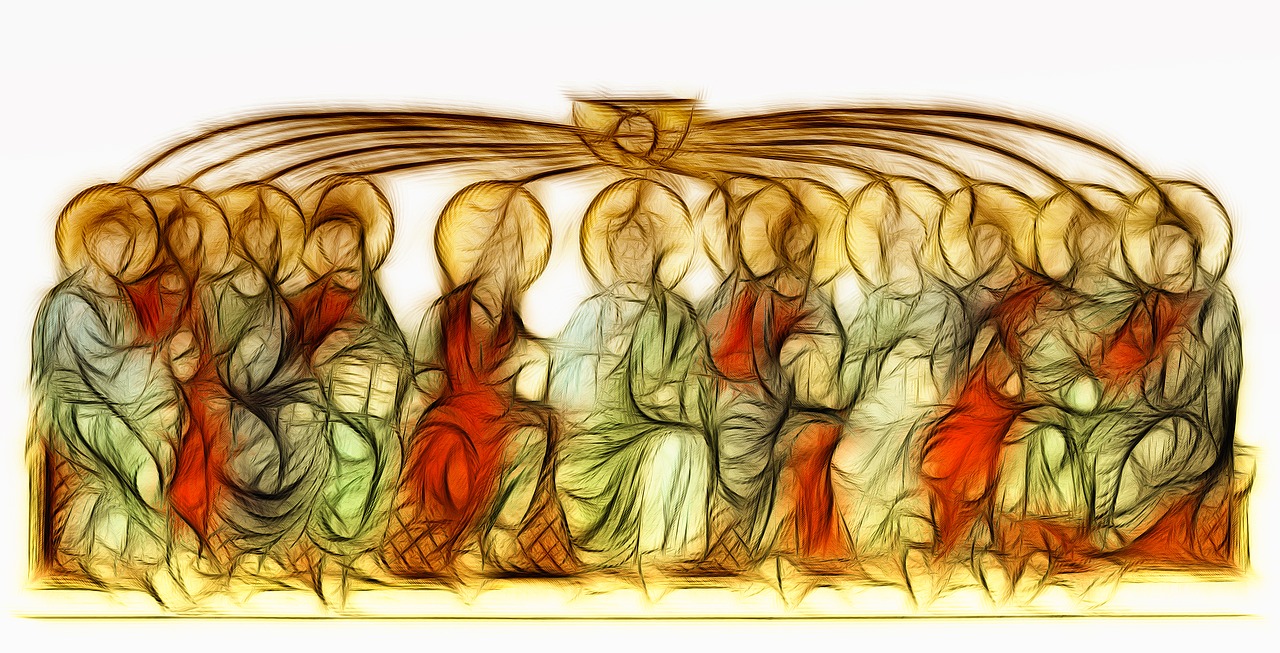


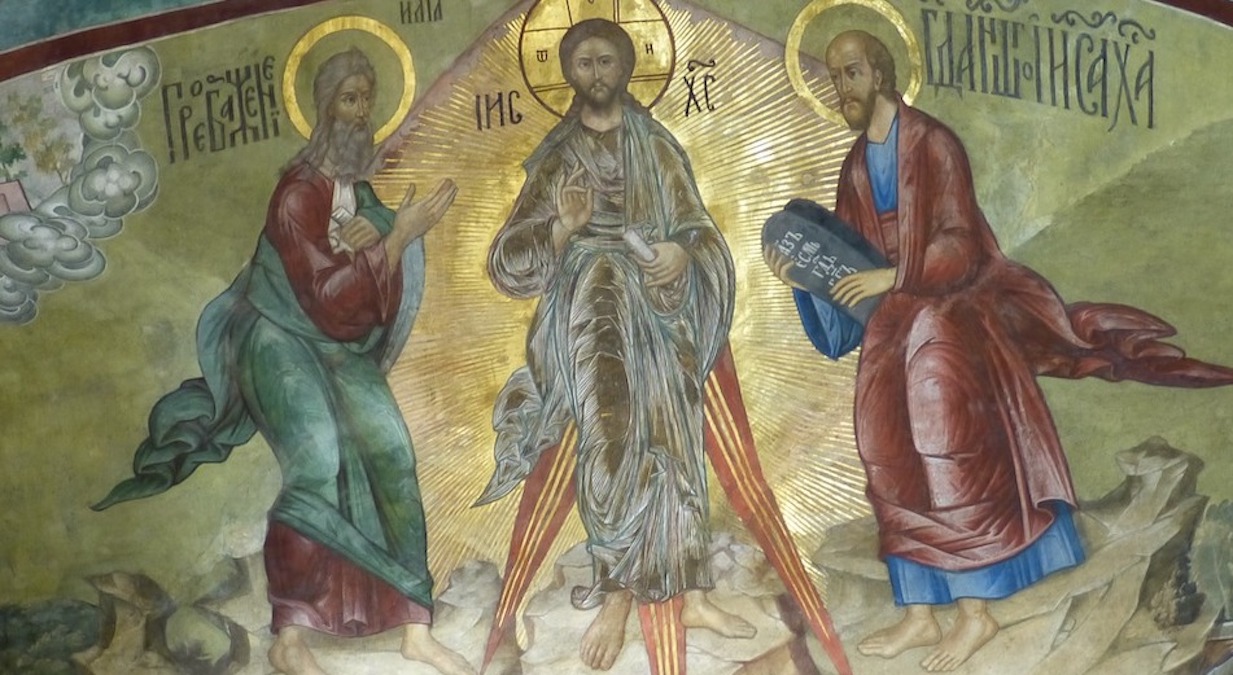

 The pattern of disagreement, debate, and decision is how things get most productively settled in the Church provided it is done in the right spirit; that is, the Holy Spirit. Since the Council of Jerusalem was called to settle the dispute between the Gentile and Jewish Christians this has been the model, its justification found in the letter issued from that Council, specifically the sentence that begins, It seems good to the Holy Spirit and to us (Acts 15:28). The Holy Spirit promised by Christ continually works within us, finding ways to maintain unity despite our differences. In all our human affairs but especially between the members of the Church what matters is not that we disagree but that we dialog, not the heat of our words but the light of the Holy Spirit, not the distance we keep but the fellowship we extend, and not the hostility throughout the debate but the peace of Christ we give in the resolution. As with Cyril and Methodius, some will not accept us or the decisions reached but we cannot help that. All we can do is what Methodius did: Continue to act in union with Christ and his Church, remembering always that it is not about us but about the Holy Spirit and us.