Isaiah 7:10-14; Psalm 24:7c, 10b; Matthew 1:18-24
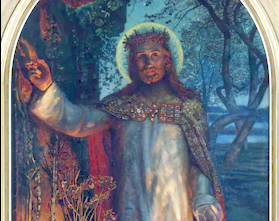
You’ve probably seen the famous painting of Jesus standing on a porch, holding a lantern, and knocking on the door. The painting is called “The Light of the World,” and its artist, William Holman Hunt, embedded a few symbols into it, two of which are very appropriate for Advent.
First is the door itself; it has no handle on the outside. Second is the bottom of the door; weeds are growing everywhere. What did Hunt intend with these symbols?
The answer lies in the Psalm response chosen by the Church today: Let the Lord enter; he is the king of glory. The door opening only from the inside means that we have to let Jesus enter. He will not force his way in. The weeds symbolize a life where prayer has been crowded out. Again, if we don’t take the time to speak to Jesus, to ask him in, he will not enter.
So, is there anything keeping me from opening the door and letting God more fully into my life? There are probably many things, but I can think of two.
First, fear. Despite his outward appearance of piety (“I will not tempt God!”), King Ahaz was afraid. What did this arrogant young man have to fear? Loss of control. He couldn’t allow anyone, even God, to take control from him. But notice in the gospel how Joseph is just the opposite: He allowed God full control, to the point of listening to Him in dreams.
Second, distraction. That was another problem with Ahaz. He was too occupied with himself and his kingdom to make time for God. Again, Joseph was the opposite; even in his dreams, he discerned and listened to God’s voice. In return, God made him the guardian of Jesus and his Most Blessed Mother.
That brings us to ourselves. We might ask who we’re more like – Ahaz or Joseph – but perhaps we’re a little of both. Our “inner Ahaz” may fear giving God control. He might ask a lot of us, or lead us where we don’t want to go. Or we too may be distracted, our hearts so cluttered with other things that we aren’t really listening for God or speaking much with Him.
Let us use these last days of Advent, when things can get so busy, to remind ourselves that God doesn’t need to take control. As Emmanuel, “God With Us,” He is already in control. Fear is useless; what is needed is faith. We need only be still, ask Him for the faith we need, then “open the door”: Pray, listen, and trust that He who is already near may truly be “with us” – in our homes and hearts, now and for all the days to come.
—


 The great gift of fertility given to Samson’s mother and to Elizabeth are confirmation that perseverance is rewarded. God sees all of us who endure desolation and, in his own time and manner, provides from the storehouse of his infinite mercy the life-giving consolation of his Spirit. When we find ourselves in times of desolation remember to ask the intercession of St. Elizabeth; she understands very well not only the pain of endless waiting but also the indescribable joy of the Holy Spirit’s three priceless consolations: The new life of St. John within her womb; the love and help of Mary, the Mother of Hope; and most of all the fulfillment of Hope itself: Our Lord and Savior, Jesus Christ.
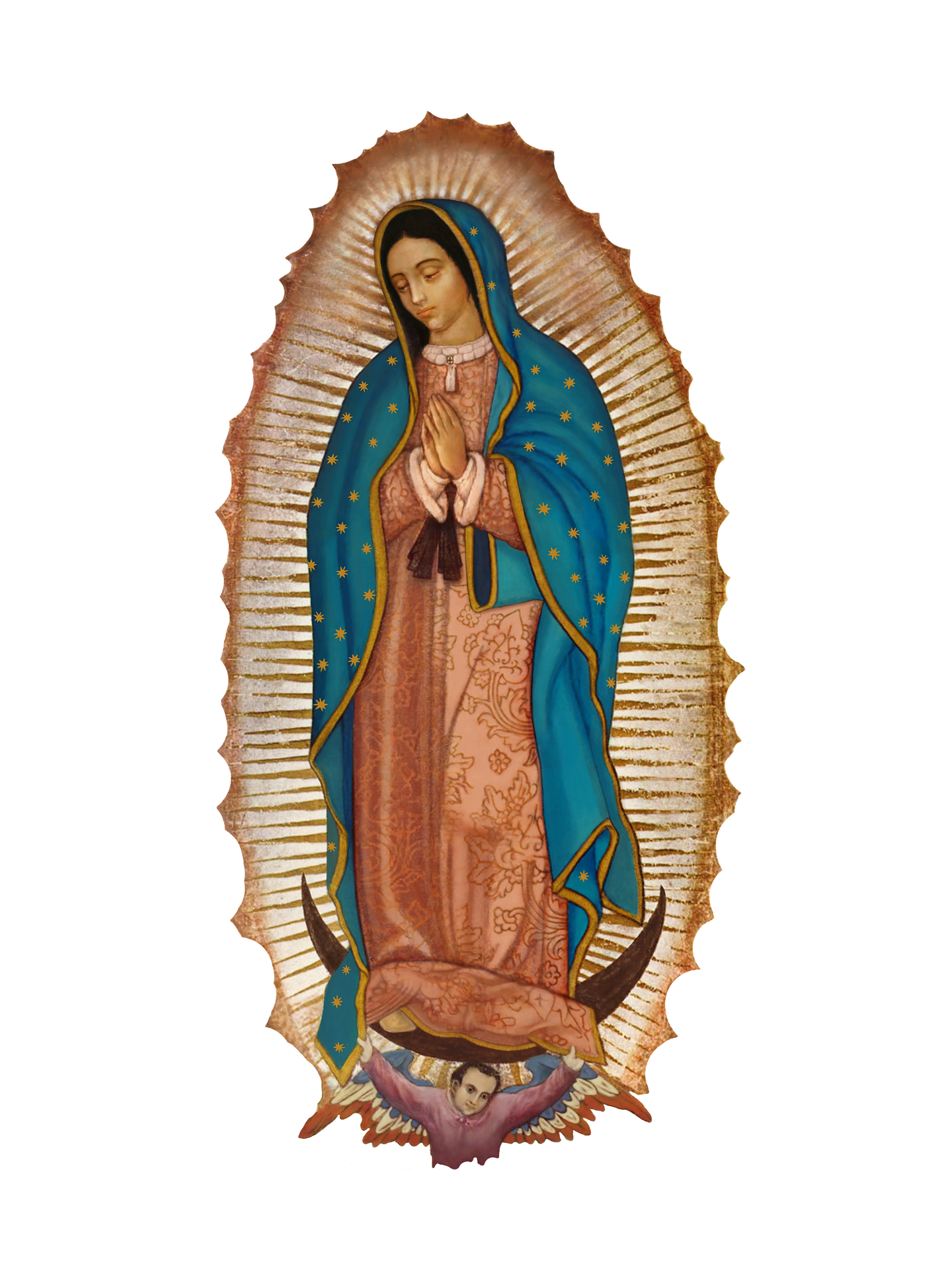 She became known as Our Lady of Guadalupe, and as word of the miraculous appearance and image spread, she became the most effective tool of evangelization that Mexico or the world had ever known. In the gospel, Mary carried the Eternal Word into the Judean countryside where the babe within Elizabeth’s womb leaped for joy; 15 centuries later, Mary’s maternal word went out into the Mexican countryside where millions leaped for joy. Conversions increased so dramatically that for a couple of years the missionaries could almost not keep up with them. More than that, the peoples’ faith was strong; to this day, the faith of the Mexican people remains vibrant, with deep devotion to Our Lady of Guadalupe.
 These and many more are like the soft, marshy soil below the tower of Pisa. Like that tower, a faith built on human weakness will lean and no amount of stopping and starting, tinkering and refining will fix it. It must be torn to the ground and rebuilt on the foundation of Christ and his Church, for we must take the faith as it is, not as we would like it to be.
 Mark 10:45