Wednesday of the 21st Week in Ordinary Time
2 Thessalonians 3:6-10, 16-18; Matthew 23:27-32
A while ago, I visited a parish where I spent many years as a child. Sitting in a pew, I began reminiscing about my days as an altar boy there.
I remembered some of the boys I went to school and served with. Good kids, pious in the best possible sense: quiet, attentive, prayerful. They seemed genuinely holy; not only at Mass, but outside it, too.
Me? Not so much. Although we did the same things, for me it was more like “going through the motions” of holiness. Maybe I looked the part, but few would have called me quiet, attentive, or prayerful. To the contrary, too often I behaved as if I’d never gone to Mass at all.
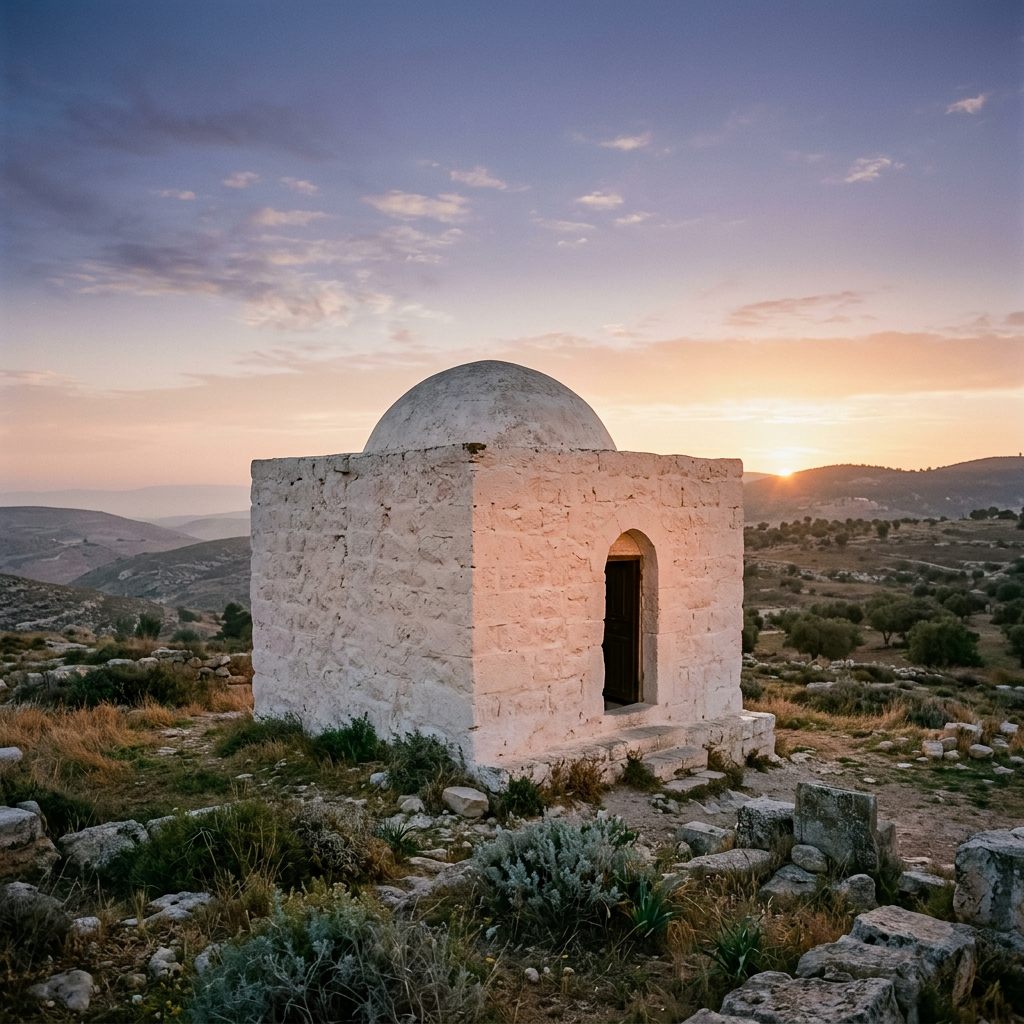
And it was then that this gospel hit home. I saw my face in our Lord’s dictionary, right there under the term, “whitewashed tomb.” Looks fine on the outside, but inside? “Dead men’s bones.”
At first, my heart sank. I imagined Jesus disappointed in me. But then I realized that Jesus took the scribes and Pharisees to task, not out of hatred, but love. Yes, his words were sharp, but that was to awaken them, make them understand that the way to God’s heart wasn’t by acting holy, but by allowing God to make them holy.
Acting holy. That’s what I’d been doing. I don’t know why. Maybe I thought the holiness of the other boys would rub off on me or that going through the motions would somehow change me inside.
It won’t. External actions on their own won’t produce holiness. Why? Because holiness isn’t just what we do, it’s who we are becoming by the grace of God. It’s God’s grace that changes the heart, and it’s the changed heart that expresses itself in virtuous behavior like piety, patience, prayer, and love.
That’s why St. Paul reminded the Thessalonians that faith must be visible in the way we live. Our relationship with Christ cannot be an appearance only; it must shape our responsibilities, our work, our relationships, and our daily choices.
So the question isn’t simply, “Do I look religious,” but “Is Christ making me truthful within?” How do we know? We must look at our behavior: Do I pray only when others can see me, or because I desire communion with God? Do I serve because I want recognition, or because I love? Do I speak about holiness while remaining impatient, resentful, or unforgiving? Do my actions at Mass radiate to the rest of my life?
Like me sitting in the pew that day, we may not like some of the answers. We may sense that, to some degree, we too are the scribe or Pharisee who Jesus is calling out.
But that’s good. Christ loves us and never wants us hiding from him in shame. Far from it; he wants us to bring our true self to him, for that is who he created. His words may be strong, but they’re meant to call us home.
So today and every day, let us ask God for the grace we need: one act of patience, one honest prayer, one admission of fault, and one hidden choice of love at a time.
For Christ doesn’t want us to look holy. He wants to make us holy.
—