
Micah 6:1-4, 6-8; Psalm 50:23; Matthew 12:38-42
So far in this chapter of Matthew we have seen Jesus being treated by the Pharisees like a man on trial. They have twice accused him of violating the sabbath, once of being in league with demons, and now, joined by the scribes, they confront him with the demand for a sign from God (Matthew 12:38).
Given their lack of faith in Jesus this may seem reasonable but it betrays at least two problems they have in their relationship with God. First, no scribe or Pharisee, no human being is ever in a position to put God on trial or make Him prove anything. If anyone is on trial it’s us, as the prophet Micah said in the first reading: the LORD has a plea against his people, and he enters into trial with Israel (6:2). What’s more, we don’t get to tell God who He works through or how He does things. As He also said through Micah, I brought you up from the land of Egypt… I released you… I sent before you Moses, Aaron, and Miriam (6:4). God calls the people, God determines the path. Second, notice how Christ responds to the demand of the scribes and Pharisees by speaking of an “unfaithful” – or “adulterous” – generation (Matthew 12:39). This nuptial language goes to the heart of the real problem, which is the failure of these men to understand that our relationship with God is not a contract, or something we negotiate. It is a covenant, a mutual giving of our entire selves one to the other; a commitment that is total and unto death.
Jesus drives this point home with true irony by bringing up Jonah for as everyone knew, Jonah was a prophet who was “total” only in his defiance of God’s will and “unto death” only in his effort to avoid doing it. The so-called “reluctant” prophet, Jonah sailed the other way when God called him to preach to pagan Nineveh, tried to drown himself in the sea when he got caught, spoke as little prophecy as possible, angrily complained when Nineveh repented, and worried more about losing the shade from a plant than about the possibility of over a hundred thousand Ninevites dying. Jonah was the perfect example of how not to commit yourself to God.
Yet Christ took that prophet and made a sign out of him: Just as Jonah was in the belly of the whale… so will the Son of Man be in the heart of the earth (Matthew 12:40). Out of that one point of deep darkness – the disobedient man’s descent into the belly of the beast – Christ brings one point of brilliant light – the obedient Son of Man’s descent into the heart of the earth, or, as we say in the Apostles’ Creed, his descent to the dead. There of course he would preach as Jonah could only wish to, and release those repentant souls who had been awaiting the redemption only He could bring.
Had the scribes and Pharisees recognized the prophetic truth that Christ had just spoken, they would have known that all they had left was the question from Micah: With what shall I come before the LORD, and bow before God most high (6:6)? Since they did not, we turn to ourselves, for we too are on trial. In our own ways, we are all guilty of being a reluctant prophet: Avoiding various calls to serve, stubbornly resisting God’s will, doing the minimum possible, complaining to God about people whose repentance only He can know, and worrying more about our own comfort than about the suffering of many around us.
So, with what shall we come? Scripture makes it clear: Prayer and sacrifice. As Micah urges us to do right, love goodness, and walk humbly with God (6:8), we pray for the virtues: Prudence, to know what is right; fortitude, to do it; wisdom, to see and love God’s goodness in all people; humility, to walk with God where He leads; and faith, to trust and praise Him at all times. This is a sacrifice, for like Jonah we are inclined to do what we want, love what we want, and walk where we please. But through the psalmist God reassures us: He that offers praise as a sacrifice glorifies me; and to him that goes the right way I will show the salvation of God (Psalm 50:23). The Salvation of God is Christ, who does only right, is love and goodness itself, and who walked in perfect humility all the way from the heart of his Father to the womb of his Mother, from the height of the cross to the heart of the earth, and from the Sacraments he has given the Church into the hearts of all believers.



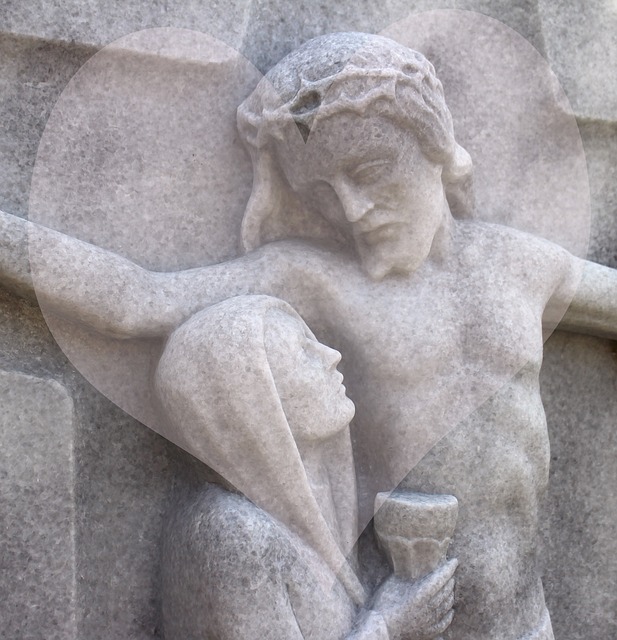 Mary understood this and, as in all things, obeyed her Lord. That is why i
 Of course t
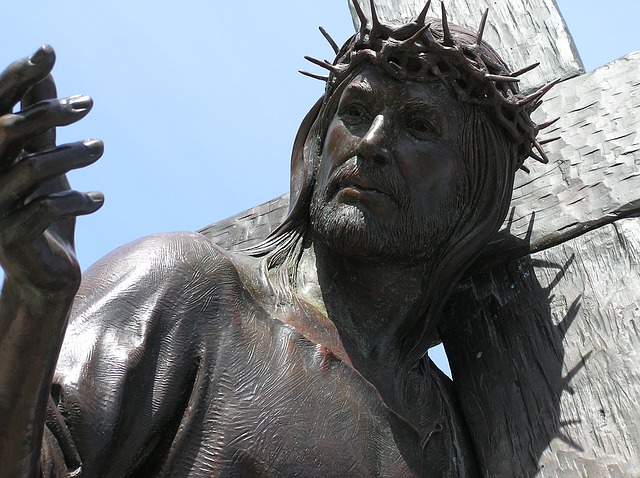 But Jesus also taught us through his obedience unto death that glory waits on the other side of suffering; that being made perfect is not a matter of doing all things on our own, but the opposite: Letting go of control and uniting ourselves more and more to the will of the One who is our true strength.
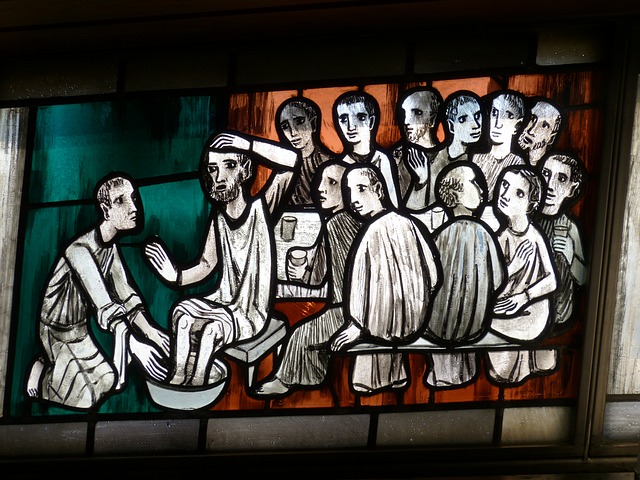 By showing Jesus washing the feet of his disciples, the evangelist re-emphasizes the primacy of service. Those who would be greatest must become the least. This is the humility and love behind the gift of his life poured out for our sake, by which he becomes one with us and we become one with each other.
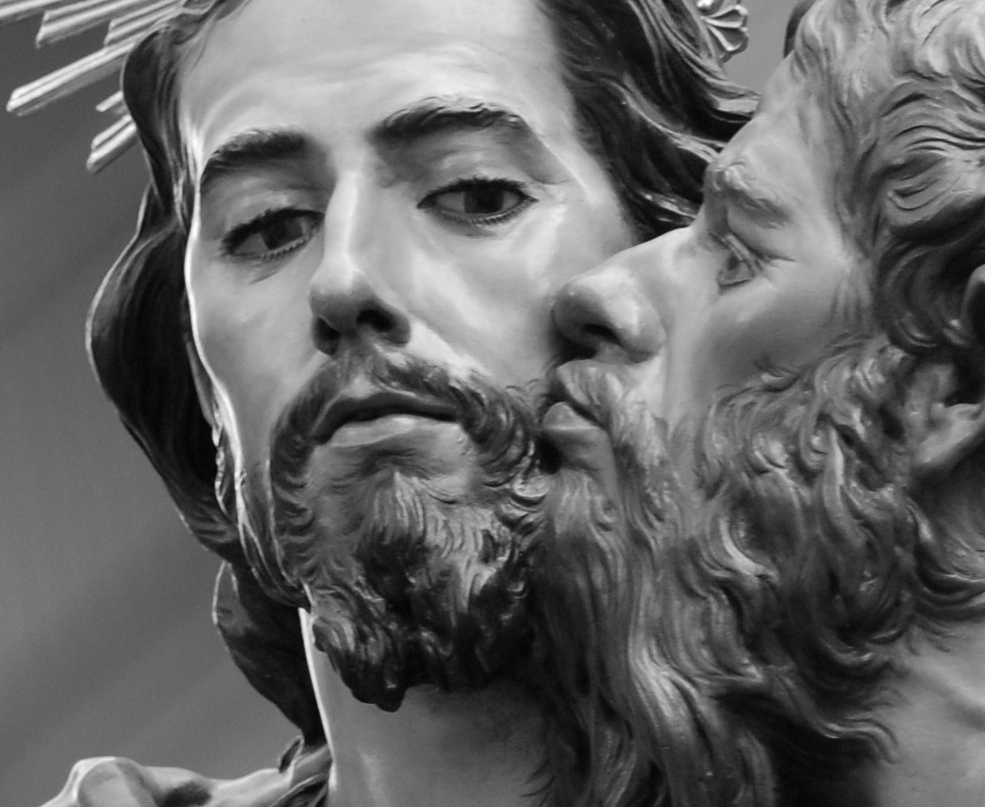 Like Judas, many people cannot make the leap from teacher to Lord. Perhaps they are afraid of what it would mean. The words of Jesus could no longer be taken as opinion, his actions no longer regarded as merely well-intended, his death no longer understood as the death that comes to us all. The change of that one word, from teacher to Lord, changes everything.
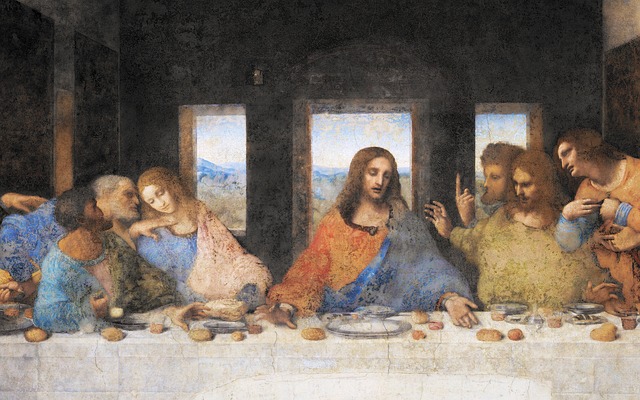 Let us keep this in mind as we prepare to receive the Sacred Morsel of our Lord in the most Holy Eucharist. For we are all like Judas; we have all betrayed our Lord’s innocent blood with every sin, no matter how small. And as He did with Judas, so does our Lord do to us; He continues to feed us, to respect our dignity, to love us unconditionally.
 Mark 10:45